
Design a Flexible Wellness Space That Enhances Fitness and Relaxation
By: June Duncan
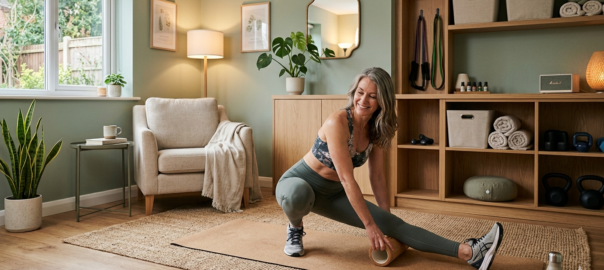
Homeowners interested in wellness remodeling often want one room that can handle movement, recovery, and quiet decompression without taking over the house. The hard part is multipurpose wellness room design that supports a flexible home fitness and relaxation space while still feeling calm, open, and livable. When fitness gear, recovery tools, and cozy elements compete for attention, avoiding clutter in wellness spaces can feel impossible, and the room stops getting used. With a clear plan for integrating fitness and recovery at home, the space can support real routines and genuine rest.
Understanding Multipurpose Wellness Room Design
At its core, a multipurpose wellness room is one space that supports movement, recovery, and calm without needing a separate gym or spa. Holistic planning means you design around how you want to feel each day, then choose layouts, storage, and surfaces that make both effort and rest easy.
This matters because your surroundings can either lower friction or add it. When wellness is built into the home, you are more likely to work out, stretch, and decompress in short, realistic windows. The broader consumer prioritization of preventive health and mental well-being reflects how much these daily supports can count.
Think of it like a convertible room: the same floor area can host a quick strength session, then reset for breathwork with one basket and one fold-away mat. Clear zones and simple cues help the room feel inviting instead of busy. Comfort often comes down to air circulation and steady temperature during every mode.
Improve Airflow and Temperature for Daily Comfort
A flexible wellness room works best when the space itself helps you feel steady and supported from one activity to the next. Upgrading your HVAC system can make a noticeable difference in how usable the room feels day to day: better air circulation helps workouts feel less stuffy, consistent temperature control keeps you comfortable whether you’re moving or resting, and improved humidity management can prevent that heavy, damp feeling after activity. Cleaner, better-filtered air can also reduce allergens, supporting a space that feels fresher and more restorative year-round.
If upgrades mean you need to order components, focus on reputable sources so the parts you choose are high-quality, durable, and compatible with your system; everything’s here to see when you’re looking for HVAC replacement parts. With comfort handled, the next step is shaping the room’s feel and function through layout, storage, lighting, and materials.
Use a 4-Part Plan: Layout, Storage, Light, Materials
A flexible wellness room works best when you can switch from movement to calm without dragging out equipment or staring at clutter. Use this four-part plan to make the space feel easy to live in, especially if you’ve already prioritized steady airflow and comfortable temperature for everyday use.
- Start with a two-zone layout (move + recover): Define a “sweat zone” and a “quiet zone,” even if they’re only a few feet apart. Keep your sweat zone closest to the best airflow path (like near a vent or operable window) so cardio and strength work feel less stuffy, and place the quiet zone away from drafts for stretching or breathwork. A simple rug edge, floor tape line, or a low shelf can be the boundary so the room feels intentional, not split.
- Protect a clear movement rectangle before you buy anything: Measure and reserve a no-furniture footprint you can reliably use, think “mat length plus arm reach” in every direction. Put bulky items (bike, bench, heavier weights) on one wall so you’re not rebuilding the room each session. This one decision prevents the most common multipurpose-room problem: constant setup that slowly kills the habit.
- Use hidden, fast-access storage to cut visual noise: Aim for “one-minute reset” storage: open basket for a mat and bands, lidded bin for massage tools, and a dedicated spot for towels. Inside cabinets or a console, use drawer trays with dividers so small items don’t migrate into piles. Mount hooks or a rail for headphones, straps, and resistance bands so your floor stays clear and your calm zone stays calm.
- Design lighting in layers (task + ambient + dimming): Put bright, even light in the sweat zone so form checks and quick cleanups are easy, then soften the quiet zone with warmer bulbs or shaded fixtures. Add at least one dimmable option so the room can shift from energizing to restorative without changing rooms. Mood and light are linked closely enough that seasonal affective disorder affects 2–3 percent of Canadians, so treating lighting as a “comfort system” alongside your temperature and airflow upgrades is worth it.
- Choose materials that handle sweat and still feel soothing: For floors, prioritize easy-clean and slip-resistant surfaces; if you’re using an area rug for comfort, pick a low-pile style you can vacuum often and that won’t snag on equipment. Use washable, textured fabrics (like removable covers or performance curtains) to reduce echo and soften the room visually. Paint in a satin or scrub-friendly finish near workout walls so scuffs wipe off without constant touch-ups.
- Build a “transition ritual” station that lives in the room: Keep a small shelf or tray with two or three calming items (eye pillow, journal, lotion) and two or three workout essentials (water bottle, timer, wipes). The point is to make switching modes frictionless: wipe down, put gear away, dim lights, and you’re in recovery. These small choices also make it easier to weigh tradeoffs around space, noise, and budget without losing the room’s day-to-day usability.
Wellness Room Remodel Questions, Answered
Q: How do I make a small room work for both workouts and relaxation?
A: Start by protecting one clear open area you can always use, then push bulky items to a single wall. Choose foldable or wall-mounted gear so the room resets fast. If it feels tight, prioritize fewer, better tools over “just in case” equipment.
Q: What can I do for privacy and sound if I share walls or live with others?
A: Layer soft, washable textiles like curtains, a padded bench cushion, and a dense rug pad to reduce echo. Add a door sweep and weatherstripping to cut sound leaks. If you need more, a bookcase with bins can double as a visual and acoustic buffer.
Q: Which materials hold up to sweat without feeling clinical?
A: Pick moisture-tolerant, wipeable finishes, then warm them up with texture like cork accessories or performance fabrics. Go for slip-resistant flooring and scrub-friendly paint where hands or shoes touch most.
Q: When should I spend more versus save?
A: Spend on floors, lighting quality, and storage that prevents clutter creep, because replacements are disruptive. Save on decor and upgrade slowly once you know your routine.
Q: Can I upgrade ventilation or heating without creating expensive mistakes?
A: Yes, but be deliberate. When repairs are needed, ordering components carefully helps avoid compatibility issues, and choosing reputable suppliers reduces the risk of premature failures.
Turn One Room Into a Lasting Wellness Rhythm at Home
It’s easy to get stuck between wanting a calm retreat and needing a practical space for movement, especially when budgets and square footage feel tight. The most sustainable remodels follow a simple mindset: plan for flexibility, then make choices that support both active and mindful living. When the room works with your routines, it becomes an integrated home wellness solution with long-term benefits of wellness remodeling that help sustain physical and mental well-being. Build the room you’ll actually use, not the one you think you should have.
Discover exceptional healthcare services tailored to your needs at Cholla Medical Group and take the first step towards a healthier you!