
Staying Ahead of Rising Retirement Expenses with Smart Planning
By: June Duncan
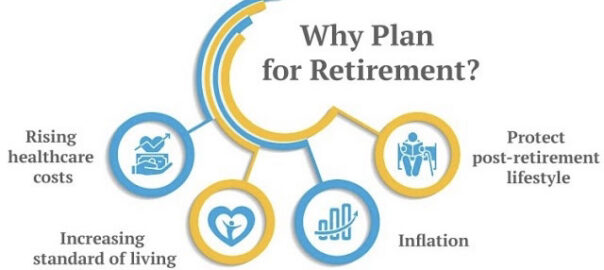
For retirees on fixed income and the adult children or spouses helping them, rising retirement expenses can turn a steady plan into a monthly scramble. The pressure usually shows up in three places first: healthcare costs in retirement, housing affordability for seniors, and the everyday math of managing daily living costs like food, utilities, and transportation. Each increase may look small on its own, but together they create real financial challenges of aging and can force uncomfortable tradeoffs. Recognizing where the squeeze is coming from makes it easier to protect cash flow and make decisions with confidence.
Could Selling a Policy Boost Cash Flow? A Life-Settlement Primer
When healthcare bills, housing costs, and everyday essentials start climbing faster than your income, it can be worth looking at assets you already have for potential breathing room. One lesser-known possibility is a life settlement, selling an existing life insurance policy to generate immediate cash that can help cover rising healthcare, housing, or daily living expenses. This isn’t a fit for everyone, because you’re trading away some or all of the policy’s death benefit, so it’s important to weigh that loss carefully and get professional guidance before moving forward.
If you do explore it, consider working with a life-settlement broker who represents policyowners as a fiduciary. In practical terms, that means the broker manages the entire life settlement process for you, seeks competitive offers from multiple buyers, charges no upfront fees, and only earns a commission if the settlement closes, while still allowing you to cancel at any time. To start comparing reputable options, you can use a no-upfront-fee directory to discover companies that buy life insurance policies.
Understanding Retirement Inflation Impact
Retirement inflation impact is the squeeze you feel when your income stays mostly flat, but your must-pay bills keep rising. It shows up first in essentials like groceries, utilities, insurance, and medical co-pays, because you cannot easily “skip” them. For many households, the cost-of-living increase is less about luxury spending and more about basic purchasing power.
It matters because retirement budgets often have little room for error. When costs climb faster than income, you may dip into savings sooner, delay care, or take on debt. Even working longer is not always a clean fix when Social Security tax changes and other deductions reduce take-home pay.
Picture a fixed monthly income: rent rises, electricity spikes, and prescriptions refill at a higher price. Nothing feels dramatic, but the leftover “buffer” shrinks each month. Tracking these early pressure points helps you plan with realistic numbers. With that baseline, healthcare access choices can prevent small issues from becoming expensive crises.
Bring Primary Care Home: When Mobile Visits Make Sense
When inflation squeezes a fixed income, the biggest medical savings often come from preventing “small” problems from turning into big, expensive ones. Prioritizing preventive, easy-to-access primary care can help you stay ahead of issues like infections, medication side effects, or worsening chronic conditions, before they trigger an urgent care visit or hospitalization. The challenge for many older adults isn’t motivation; it’s logistics: arranging rides, coordinating schedules, and managing the stress of getting to appointments can lead to missed visits and delayed care, which can drive costs up.
That’s where mobile primary care can be a practical fit. Cholla Medical Group is one resource that brings compassionate primary care directly to seniors in group homes, assisted living, and memory care settings. By meeting patients where they live, mobile visits can reduce transportation costs, cut down on missed appointments, and help lower the risk of avoidable hospital admissions, while keeping patients comfortable and consistently monitored.
Retirement Cost Questions People Ask Most
Q: How do I build a retirement budget that can handle price increases?
A: Start with a “needs first” plan: housing, food, utilities, insurance, and prescriptions. Then add a small buffer line item for inflation and surprises, even if it is only 3% to 5%. Review spending monthly and adjust quickly instead of waiting for an annual reset.
Q: What should I plan for with healthcare costs in retirement?
A: Expect healthcare to be a major category, not an occasional expense, and plan for premiums, copays, dental, vision, and medications. Estimates like healthcare and medical expenses can help you set a realistic target. A practical step is to track every medical bill for 90 days to find patterns you can negotiate or shop.
Q: How much cash should a retiree keep for peace of mind?
A: Many retirees feel steadier with a dedicated cash reserve for irregular bills and market downturns. Guidance such as cover a year of costs can be a useful benchmark if it fits your situation. Keep it in a safe, liquid account and replenish it after large withdrawals.
Q: Should I downsize, rent, or age in place if housing costs keep climbing?
A: Compare the full monthly cost, not just the mortgage or rent, including taxes, insurance, maintenance, and help at home. Then weigh your nonfinancial goals like safety, social connection, and easier transportation. A trial run, such as living with fewer rooms in use or getting a few contractor quotes, can clarify the real numbers.
Q: How can I withdraw from retirement accounts more safely when markets are shaky?
A: Use a simple withdrawal order that protects long term growth: spend cash first, then income sources, and tap investments last when possible. Consider setting “guardrails,” like pausing extra spending after a down year or using smaller, more frequent withdrawals. If you feel unsure, bring your latest statements and bills to a fiduciary advisor for a second look.
Build Financial Stability in Retirement With 30-Minute Check-Ins
Retirement costs can creep up fast, and it’s easy to feel like one surprise bill could knock the plan off track. The steadier approach is proactive retirement planning: regular financial reviews, flexible retirement budgets, and small adjustments that keep you adapting to changing expenses instead of reacting to them. When those habits are in place, decisions feel clearer and financial stability in retirement becomes something you can maintain, not just hope for. A short, regular money check-in keeps rising costs from turning into financial chaos.
Discover exceptional healthcare services tailored to your needs at Cholla Medical Group and take the first step towards a healthier you!